


Transformative Facial Peels Before and After Photos: Results Revealed
Discover how chemical peels treat acne scars, sun damage, and wrinkles. Explore types, benefits, and recovery for radiant, youthful skin.
Read · 7 min
Chemical peels have long been associated with exclusive spa treatments and celebrity skincare routines. However, thanks to advancements in dermatological research and product availability, at-home glycolic acid peels are now more accessible than ever. These peels are known for helping people achieve smoother, more radiant skin without stepping foot in a professional clinic. In this comprehensive guide, we’ll explore everything you need to know about glycolic acid peels—from the science behind how they work to step-by-step instructions, safety precautions, and long-term benefits.
In the past, chemical peels were reserved for dermatology offices and high-end spas. They were often pricey and required appointments scheduled weeks in advance. With the popularity of DIY skincare and affordable over-the-counter products, at-home peels have surged in popularity. Consumers can now purchase professional-grade peel kits formulated with glycolic acid, lactic acid, or other alpha hydroxy acids (AHAs) to address concerns like fine lines, acne, and hyperpigmentation from the comfort of their bathroom.
Concentration of Active Ingredients : Professional peels typically use higher percentages of glycolic acid (often 30% or more) compared to over-the-counter at-home options (ranging from 5% to 20%).
Downtime : Spa treatments can lead to more peeling and potential redness, whereas at-home peels are milder with shorter downtime.
Customized Approach : A professional can tailor the peel to your skin’s specific needs, while at-home treatments generally offer a one-size-fits-all solution.
Despite these differences, at-home peels can deliver notable results when used correctly and consistently.
According to the American Academy of Dermatology, chemical peels can help address acne and uneven pigmentation, and reduce fine lines.
Studies show that AHAs such as glycolic acid have the potential to improve skin texture by up to 50% over a series of treatments.
The global chemical peel market is projected to surpass $3 billion by 2026, indicating a growing interest in at-home and professional peel services.
Glycolic acid belongs to the alpha hydroxy acid (AHA) family, which includes lactic acid, mandelic acid, and citric acid. What makes glycolic acid stand out is its small molecular size, enabling it to penetrate the skin more effectively than other AHAs. This heightened penetration power means faster and more visible results for concerns like fine lines, wrinkles, and hyperpigmentation.
Glycolic acid works by loosening the “glue” (lipids) that holds together dead skin cells on the skin’s surface. Once these bonds are dissolved, the dead cells shed more easily, paving the way for fresher, more radiant skin to emerge. Additionally, glycolic acid stimulates cell turnover, promoting a healthier, rejuvenated complexion.
Alpha Hydroxy Acids (AHAs) are water-soluble acids derived from sugar cane, milk, or fruits. They’re known to:
Exfoliate the surface of the skin
Boost collagen production
Even out skin tone
Improve moisture retention
Among AHAs, glycolic acid is considered one of the most potent and effective for exfoliation, making it a popular choice for chemical peel formulations.
Unlike mechanical scrubs that can cause micro-tears, glycolic acid offers gentle yet effective chemical exfoliation. By penetrating the stratum corneum (the outermost layer of skin), glycolic acid dissolves excess sebum and sloughs away cellular debris, reducing congested pores and refining skin texture. When used at an appropriate concentration and pH level, it can boost the absorption of subsequent skincare products like serums and moisturizers.
Acne-Prone Skin : Helps unclog pores, prevents buildup of dead skin cells, and reduces the occurrence of breakouts.
Mature Skin : Smooths the appearance of fine lines and wrinkles by promoting collagen synthesis.
Oily/Combination Skin : Balances oil production, providing a smoother, matte finish over time.
Sensitive Skin : This can be beneficial if introduced gradually and at a lower concentration; however, caution is necessary due to potential irritation.
Studies suggest that consistent use of glycolic acid may help stimulate collagen production in the deeper layers of the skin. Collagen is the protein responsible for maintaining the skin’s elasticity and firmness. By promoting collagen remodeling, glycolic peels can soften the look of fine lines, contributing to a more youthful complexion over the long term.
Proper preparation sets the stage for a successful, low-risk at-home peel experience. Without adequate prep, you risk increased irritation, uneven results, or not seeing the full potential of the peel. Taking a few key steps beforehand ensures your skin is in an optimal state for the application of glycolic acid.
Cleanse Properly : Use a gentle, pH-balanced cleanser to remove makeup, sunscreen, and excess oil.
Avoid Harsh Products : Discontinue the use of retinoids, scrubs, or other exfoliants at least 48 hours before your peel.
Hydrate : Dry skin is more prone to irritation, so maintain an optimal hydration level with a moisturizer suited to your skin type.
Plan Your Timing : It’s best to schedule a peel on a day or evening when you can limit sun exposure and follow up with a proper skincare routine.
A well-rounded skincare routine before (and after) a peel enhances the peel’s effects. Incorporate:
Gentle Cleansers : Free of synthetic fragrances or harsh sulfates.
Toners : Preferably those with soothing ingredients like witch hazel or aloe vera.
Serums : If you use a vitamin C serum, pause its use a day before the peel to avoid excess irritation.
Moisturizers : Choose formulas that reinforce your skin barrier with ceramides and hyaluronic acid.
Glycolic peel solutions vary in concentration and pH level. Over-the-counter products typically range from 5% to 20% glycolic acid. If you’re a beginner, start with lower concentrations to test your skin’s tolerance. Additionally, look for formulas that include buffering agents or soothing botanicals like chamomile, green tea, and fruit extracts to help minimize irritation.
Sun Exposure : Prolonged sun exposure before a peel can increase your risk of post-peel hyperpigmentation.
Diet : High sugar intake can increase glycation and slow skin healing; opting for antioxidant-rich foods may help support your skin’s regeneration.
Stress Management : Elevated stress levels can compromise your skin barrier, making it more sensitive to exfoliants.
Always perform a patch test on a small, less visible (e.g., behind the ear or the forearm) before applying a glycolic acid peel to your face. Leave it on for the recommended time (often around 1-3 minutes) and observe any reactions over the next 24 hours. If you notice excessive redness, burning, or swelling, discontinue use and consult a professional.
Performing a glycolic peel at home can be a game-changer for your skincare routine—if done correctly. It’s crucial to follow a structured process and adhere to guidelines to avoid any adverse effects.
Cleanse Your Face Thoroughly
Remove all makeup and excess oil. Pat your skin dry with a clean towel.
Apply the Peel Evenly
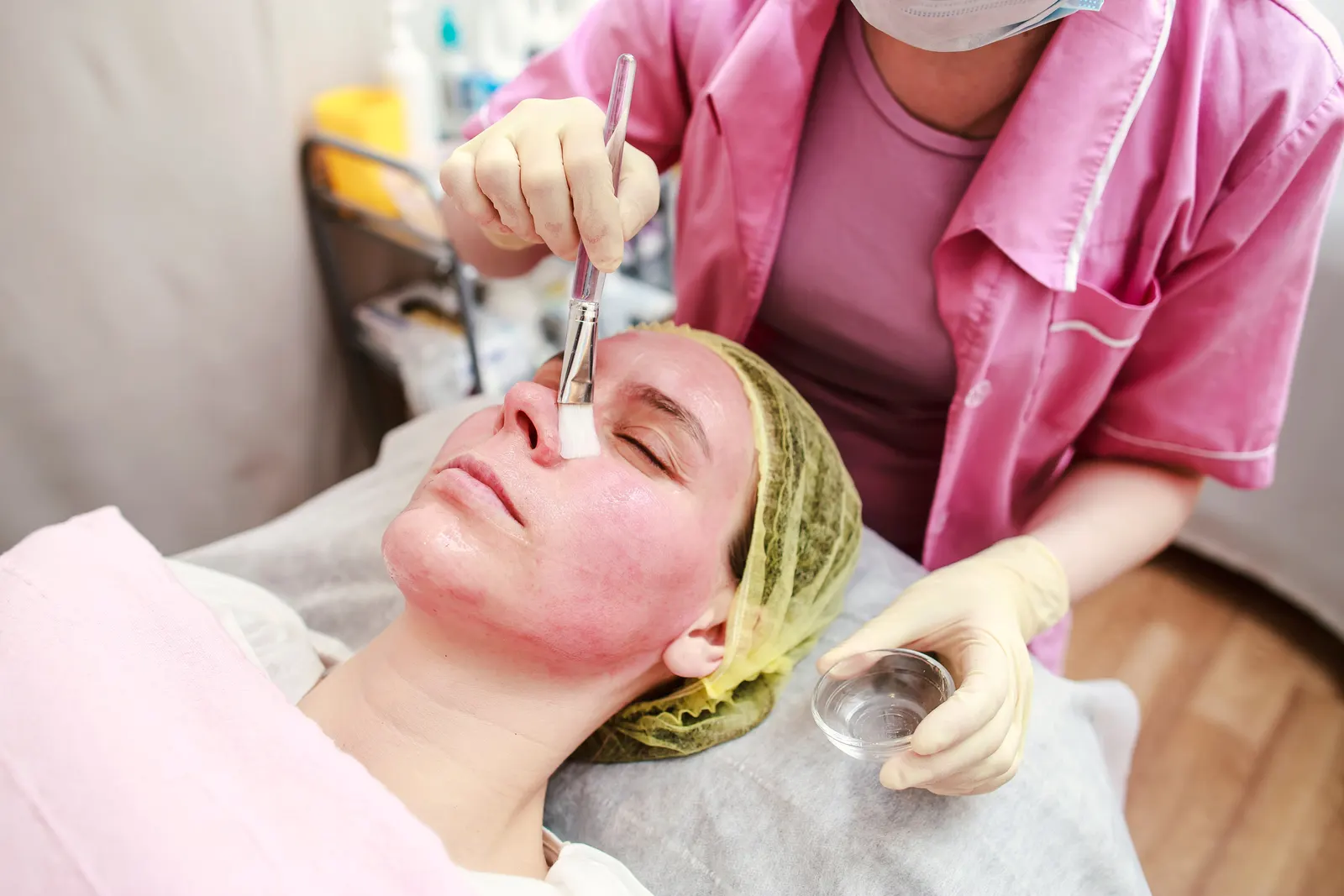
Use a brush or cotton pad to ensure thin, even coverage on your face, avoiding the eye and lip areas.
Wait for the Recommended Time
Most at-home glycolic peels suggest leaving the solution on for 1-5 minutes. Beginners should err on the shorter side.
Rinse Off
Use cool water and a gentle cleanser to remove the peel, ensuring no residue is left behind.
Follow Up with Hydration
Immediately apply a soothing, hydrating serum or moisturizer to replenish moisture levels and calm the skin.
Single Layer vs. Multiple Layers : Some products allow for multiple thin layers to be applied for enhanced exfoliation. Only attempt this once you’ve tested your tolerance.
Spacing Between Treatments : At-home peels can be done weekly to monthly, depending on the peel’s strength and your skin’s reaction.
Over-Exfoliating : Using other strong exfoliants in the same week as your glycolic peel can lead to irritation and a compromised barrier.
Skipping Moisturizer : Post-peel dryness or flaking is common, so not replenishing the skin’s moisture barrier can worsen redness and discomfort.
Neglecting Sunscreen : After any exfoliation, your skin becomes more sun-sensitive. Failing to protect it can result in hyperpigmentation or premature aging.
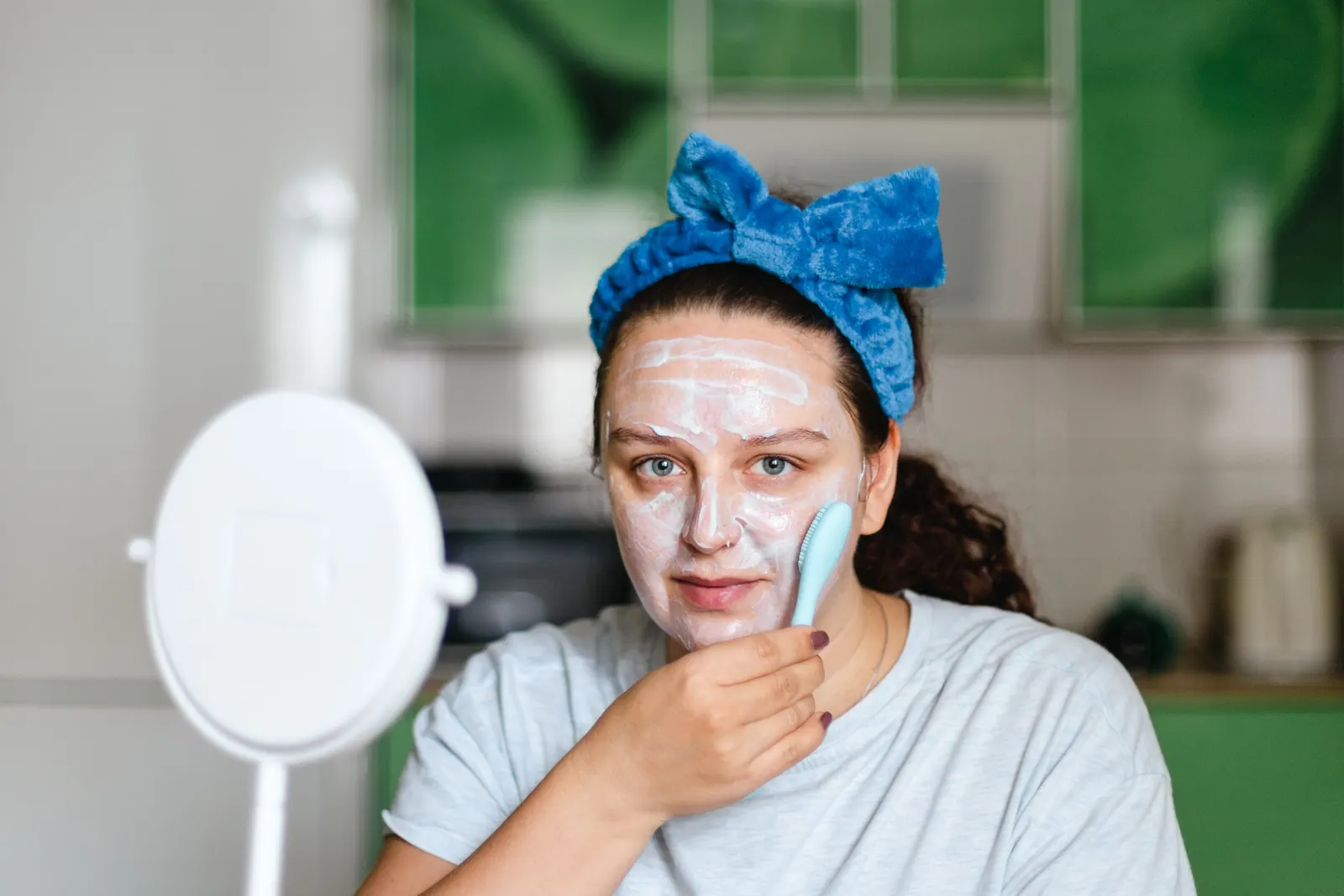
Fan Brush : Allows for precise and even application without overusing the product.
Cotton Pads : Convenient and disposable, though they may absorb more product.
Silicone Brushes : Easy to clean and gentle on the skin, reducing potential contamination.
A thoughtful post-peel routine can make all the difference in maximizing results and minimizing side effects. Your skin is in a more delicate state after exfoliation, and giving it the right care helps lock in the peel’s benefits while boosting radiance and suppleness.
Post-peel side effects, such as redness or mild flaking, are common in the first few days. To support your skin through this phase:
Use Soothing Products : Ingredients like green tea extract, aloe vera, and licorice root help calm irritation.
Avoid Harsh Actives : Temporarily discontinue the use of retinoids, benzoyl peroxide, or scrubs until your skin fully recovers.
Keep It Clean : Gently cleanse your face twice a day to prevent bacteria build-up on compromised skin.
Your skin becomes more vulnerable to UV damage after a glycolic peel. It’s vital to:
Apply a Broad-Spectrum SPF 30+ : Physical sunscreens with zinc oxide or titanium dioxide are often gentler on freshly exfoliated skin.
Reapply Every Two Hours : Especially if you’re outdoors or in front of windows for extended periods.
Wear Protective Clothing : Hats, sunglasses, and sun-protective clothing offer an extra layer of defense.
After the initial post-peel recovery, supporting your skin ensures longer-lasting benefits:
Incorporate Antioxidants : Vitamin C, E, and ferulic acid serums can neutralize free radicals and enhance the skin’s brightness.
Maintain Regular Exfoliation : Gentle exfoliating cleansers or toners can complement your peeling schedule without overdoing it.
Stay Hydrated : Drinking adequate water and using hyaluronic acid-based moisturizers keeps skin plump and resilient.
Look for products containing:
Panthenol (Vitamin B5) : Aids in skin barrier repair.
Centella Asiatica (Cica) : Known for wound-healing and anti-inflammatory properties.
Ceramides : Reinforce the skin’s barrier, reducing dryness and redness.
Microneedling : Some individuals alternate between glycolic peels and microneedling for collagen-boosting benefits.
LED Light Therapy : Utilizing red LED light post-peel can promote faster healing and reduce inflammation.
Facial Massage : Gentle facial massages help stimulate circulation and may enhance the glow achieved from your peel.
Consistent application of glycolic peels can transform your complexion over time. Rather than relying on a single, intense peel, many experts recommend mild to moderate peels done periodically for cumulative benefits.
Reduction in Fine Lines : By stimulating collagen, glycolic peels help soften superficial wrinkles and lines.
Brighter, More Even Skin Tone : Glycolic acid addresses hyperpigmentation, age spots, and post-acne marks, revealing a more uniform complexion.
Smoother Texture : Flaking off dead cells leads to a smoother skin surface with reduced rough patches.
Increased Collagen Production : Regular exfoliation can keep collagen levels robust, contributing to firmer, more elastic skin over time.
Better Product Absorption : Once your skin is regularly exfoliated, serums and moisturizers can penetrate more effectively, enhancing their efficacy.
Acne scars and hyperpigmentation can gradually fade with the routine use of mild glycolic peels. By accelerating cell turnover, these peels help break down areas of excess melanin and reduce the appearance of scars or dark spots.
With regular treatments, many people experience an increase in their skin’s luminosity and clarity. This is due to the cumulative removal of dead cells and the promotion of a healthier, revitalized epidermis.
While glycolic acid peels offer numerous benefits, they’re not without potential side effects. Understanding these risks and exercising proper caution can significantly reduce the likelihood of adverse outcomes.
Redness and Irritation : Mild redness for a day or two is normal, but persistent inflammation may indicate over-exfoliation.
Flaking or Peeling : Light flaking can be expected as dead skin cells are shed, but excessive peeling may be a sign of intolerance.
Uneven Results : In some cases, hot spots or patchy exfoliation can occur if the peel is not applied evenly.
Skin Sensitivity : If you have underlying conditions like eczema or rosacea, consult a dermatologist before starting glycolic peels.
Allergies : Always read product labels carefully to avoid common allergens.
Alternative Options : For highly sensitive or reactive skin, milder acids like mandelic or lactic acid might be safer choices.
Over-exfoliation is a common pitfall for enthusiastic skincare devotees. If you experience chronic dryness, redness, or an unusual increase in breakouts:
Stop Using All Exfoliants Immediately
Focus on Barrier Repair with ceramide-rich creams and gentle cleansers.
Consult a Dermatologist if symptoms persist or worsen.
Different chemical peels cater to different skin needs. Understanding how glycolic acid compares to others can help you choose the right option or combination of treatments.
Alpha Hydroxy Acids (AHAs) : Water-soluble; best for surface exfoliation and addressing dryness.
Beta Hydroxy Acids (BHAs) : Oil-soluble; penetrate pores more deeply, making them ideal for oily or acne-prone skin.
Polyhydroxy Acids (PHAs) : Larger molecular size than AHAs; milder exfoliation with fewer side effects, suitable for sensitive skin.
Below is a comparison table of some common chemical peels:
|
Type of Peel |
Typical Concentrations |
Best For |
Downtime |
|
Glycolic Acid |
5% - 70% (Professional) |
Fine lines, hyperpigmentation, dullness |
Mild to moderate |
|
Lactic Acid |
5% - 30% |
Sensitive, dry skin |
Minimal |
|
TCA (Trichloroacetic Acid) |
10% - 35% |
Deep wrinkles, severe acne scars |
Moderate to significant |
|
Jessner’s Peel |
14% Salicylic + Lactic + Resorcinol |
Acne-prone, oily skin |
Moderate |