

Transformative Facial Peels Before and After Photos: Results Revealed
Discover how chemical peels treat acne scars, sun damage, and wrinkles. Explore types, benefits, and recovery for radiant, youthful skin.
Read · 7 min
Acne scars and pimple marks are more than just a cosmetic concern—they can affect self-esteem, confidence, and overall skin health. Whether you’ve recently cleared up a bout of severe breakouts or you’ve struggled with problematic skin for years, dealing with scars is often the next big challenge. Over-the-counter creams and topical treatments can help fade minor spots over time, but individuals with more stubborn scars often seek more specialized procedures such as chemical peels.
Chemical peels work by applying a specialized chemical solution that exfoliates the top layers of the skin, encouraging the growth of new skin cells and smoother, clearer skin. Before starting any chemical peel treatment, it’s crucial to understand your skin type, the type of scarring you have, and the various peel options available. This knowledge will help you make an informed decision, optimize your results, and promote healthier skin in the long run.
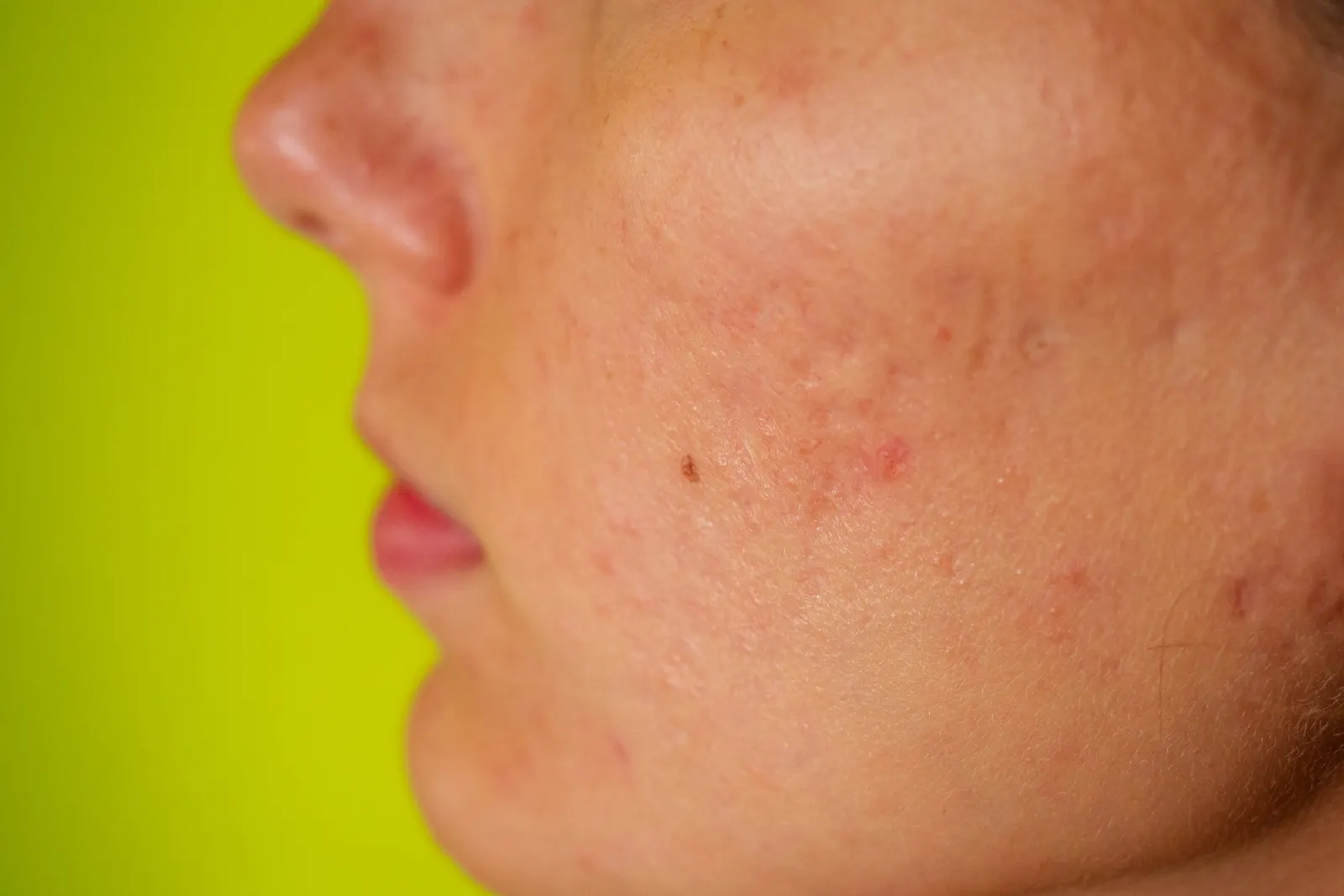
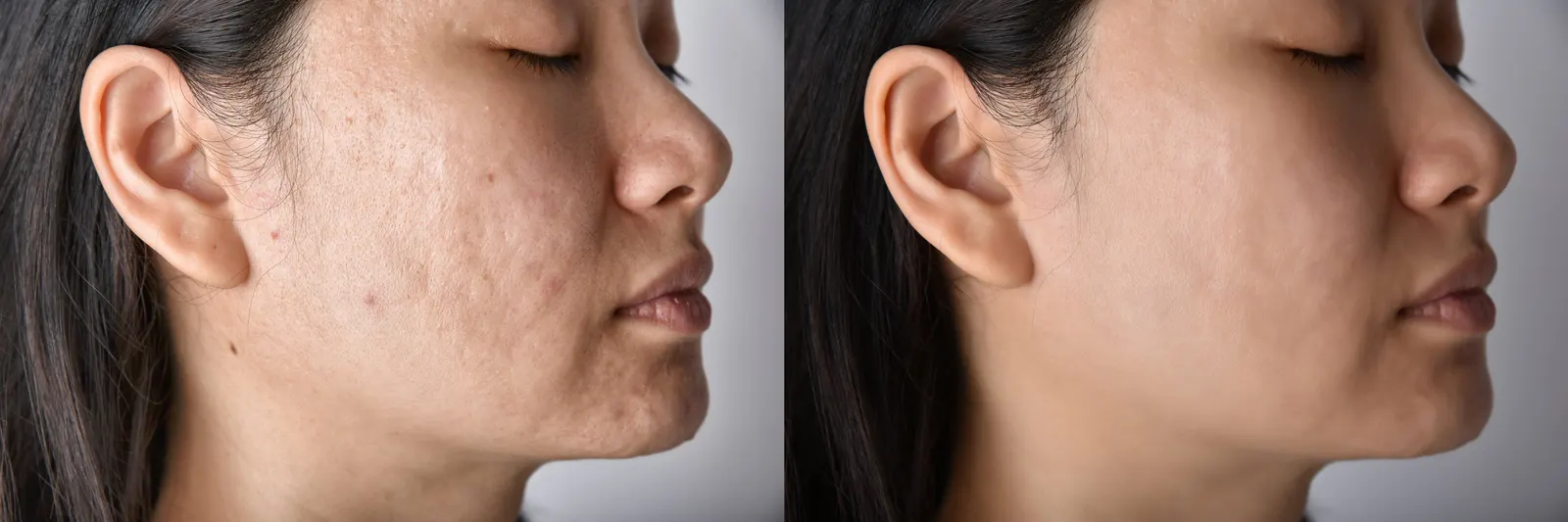
Acne scars and pimple marks can manifest in different ways, from minor discolorations to deep indentations in the skin. They vary greatly depending on factors like the severity of the original acne, the skin’s natural healing process, and whether proper treatment was initiated. While they may seem permanent, many treatment options—like chemical peels—can help reduce their appearance significantly.
Acne scars generally fall into two broad categories: atrophic (depressed) scars and hypertrophic (raised) scars. Some people also experience post-inflammatory hyperpigmentation (PIH), which can coexist with scar tissue but is not a true scar. Understanding the specific scar types you have is the first step toward effective treatment.
Atrophic scars occur when the skin cannot regenerate enough collagen during the healing process, leaving depressions or indentations. These scars are especially common on the face and can be further subdivided into distinct types:
Rolling Scars : Characterized by broad depressions and gently sloping edges, rolling scars give the skin a wavy appearance. They can be more noticeable in certain lighting conditions.
Boxcar Scars : These scars have sharper, well-defined edges and usually appear box-like or rectangular. They often result from moderate to severe acne lesions.
Deep (Ice Pick) Scars : Narrow, deep scars that extend below the surface of the skin, resembling tiny puncture wounds. Ice pick scars are particularly challenging to treat and may require more intensive procedures such as deep chemical peels or other specialized treatments.
Hypertrophic scars are raised, thickened scars that form when the body produces an excess of collagen during the healing process. They are typically confined to the area of the original acne lesion. Keloid scars, on the other hand, extend beyond the boundaries of the original wound and can continue to grow over time. Both hypertrophic and keloid scars can be difficult to manage, sometimes requiring a combination of treatments like chemical peels, corticosteroid injections, or laser therapy.
While not considered a true scar, post-inflammatory hyperpigmentation (PIH) can appear as dark spots or patches following inflammatory acne. PIH occurs when the skin’s natural healing process triggers excess melanin production in response to inflammation. Chemical peels can be quite effective for PIH, as they remove the outer layers of skin and help to gradually fade the discoloration.
Acne scar formation involves an interplay between inflammation, collagen production, and the body’s natural repair processes. When active acne lesions become inflamed, the skin responds by producing collagen fibers to heal the site. However, if too little collagen is produced, it can lead to indented or atrophic scars, while an overproduction of collagen causes hypertrophic or keloid scars. Treating acne early and effectively can minimize the risk of long-term scarring.
Chemical peels target the damaged outer layers of your skin. During the procedure, a chemical solution is applied to the skin’s surface, causing it to exfoliate and eventually peel off. By removing older, unhealthy skin layers, new skin cell growth is encouraged, resulting in a smoother texture and an overall reduction in the appearance of acne scars.
Chemical peels rely on acids that break down the connections between dead skin cells, prompting the top layer to shed. This shedding process:
Removes Clogged Pores : Clearing away oils and dead skin cells that contribute to new breakouts.
Stimulates Collagen Production : Encourages the body to produce more collagen in the treated areas, improving skin thickness and elasticity.
Boosts Cell Turnover : Promotes faster regeneration of healthy skin cells, leading to a more even complexion.
Popular peeling agents include alpha hydroxy acids (AHAs) like glycolic acid and lactic acid, as well as beta hydroxy acids (BHAs) like salicylic acid.
Not all chemical peels are the same. Choosing the right peel depends largely on your skin type, the severity of your acne scars, and your overall treatment goals. Dermatologists commonly categorize peels as light, medium, or deep based on their concentration and depth of penetration.
Light chemical peels are ideal for mild acne scars and overall skin texture improvement. These peels usually involve:
Glycolic Acid : An AHA derived from sugarcane, known for its small molecular size, which allows deeper skin penetration.
Lactic Acid : Milder than glycolic acid, suitable for sensitive skin or those new to chemical peels.
Salicylic Acid : A BHA that helps dissolve excess oil, making it particularly beneficial for oily and acne-prone skin.
Because light peels have a gentler effect, they typically require multiple sessions to achieve noticeable results. Recovery time is minimal, often involving slight redness or mild peeling that subsides within a few days.
Medium peels target the skin at a deeper level and are better suited for moderate acne scars, including rolling scars and moderate post-inflammatory hyperpigmentation (PIH). One of the most commonly used ingredients in medium peels is trichloroacetic acid (TCA). TCA peels:
Penetrate the Middle Layers : Enabling more substantial exfoliation.
Encourage Collagen Production : Promoting rejuvenation in areas affected by pimple marks and deeper scars.
Require Moderation : This may involve a few days to a week of downtime, during which the skin can appear red or swollen and may peel significantly.
Deep chemical peels are typically reserved for severe acne scars, including deep boxcar scars or ice pick scars. A common agent for deep peels is phenol, though high-concentration TCA can also be used. While deep peels offer more dramatic improvements:
Recovery is longer, usually two weeks or more.
Risks include the potential for scarring, infection, and permanent changes in skin pigmentation.
Strict Aftercare is essential to protect the newly revealed skin from sun damage and irritation.
Because of their intensity, deep chemical peels are not usually the first line of treatment. Many dermatologists recommend starting with lighter or medium peels and only considering deep peels if those options prove insufficient.
Chemical peels offer a multi-faceted approach to improving acne-prone skin. Not only can they reduce the visibility of scars, but they also help manage ongoing breakouts, brightening the complexion and smoothing overall skin texture.
Chemical peels remove dead skin cells and promote the growth of a fresh, healthy layer. This process:
Evens Out Discoloration : Particularly beneficial for PIH or uneven skin tone caused by past acne.
Minimizes Fine Lines : A bonus for those looking for anti-aging benefits.
Smooth Rough Patches : Improves the feel and appearance of the skin surface.
By stimulating the body’s natural repair mechanisms, chemical peels encourage new collagen fibers to form, particularly in treated areas. Collagen is a key structural protein that keeps skin firm and elastic. Increased collagen production helps:
Plump Depressed Scars : Making them less visible.
Reduce Wrinkles : Collagen’s restorative effect can also diminish fine lines around the eyes or mouth.
Improve Overall Skin Quality : Stronger collagen networks can result in a more resilient and radiant complexion.
Effective exfoliation via chemical peels helps remove layers of dead skin cells that clog pores and dull the complexion. As a result, pores appear smaller, breakouts are reduced, and skin regains a healthy glow. This comprehensive skin rejuvenation is particularly beneficial for those dealing with both active acne and post-acne marks.
Preparing properly for a chemical peel increases the likelihood of a smooth procedure and optimal results. Consultation with a dermatologist or a qualified skin professional is often the first step toward ensuring that the chosen peel aligns with your skin’s needs.
A comprehensive skin assessment includes evaluating:
Skin Type : Determining whether you have oily, dry, combination, or sensitive skin.
Scarring Severity : Pinpointing the types of scars—be they rolling scars, boxcar scars, or PIH.
Medical History : Identifying allergies, past reactions to skincare products, and any use of medications like isotretinoin.
Based on these factors, a dermatologist can recommend the most suitable chemical peel or combination of treatments.
In the weeks leading up to your peel, you may be advised to:
Use Gentle Skincare Products : Avoid strong scrubs, retinol creams, or exfoliants that can irritate the skin.
Minimize Sun Exposure : Sun damage can worsen discoloration and make the peel less effective. Always use a broad-spectrum sunscreen.
Manage Active Acne : Since applying a peel on inflamed lesions can exacerbate irritation, your doctor may recommend a pre-peel regimen to calm active breakouts.
For those prone to cold sores or skin infections, a dermatologist may prescribe antiviral or antibiotic medications as a preventive measure. This step is crucial because a chemical peel can potentially reactivate conditions like the herpes simplex virus, leading to complications and delaying proper healing.
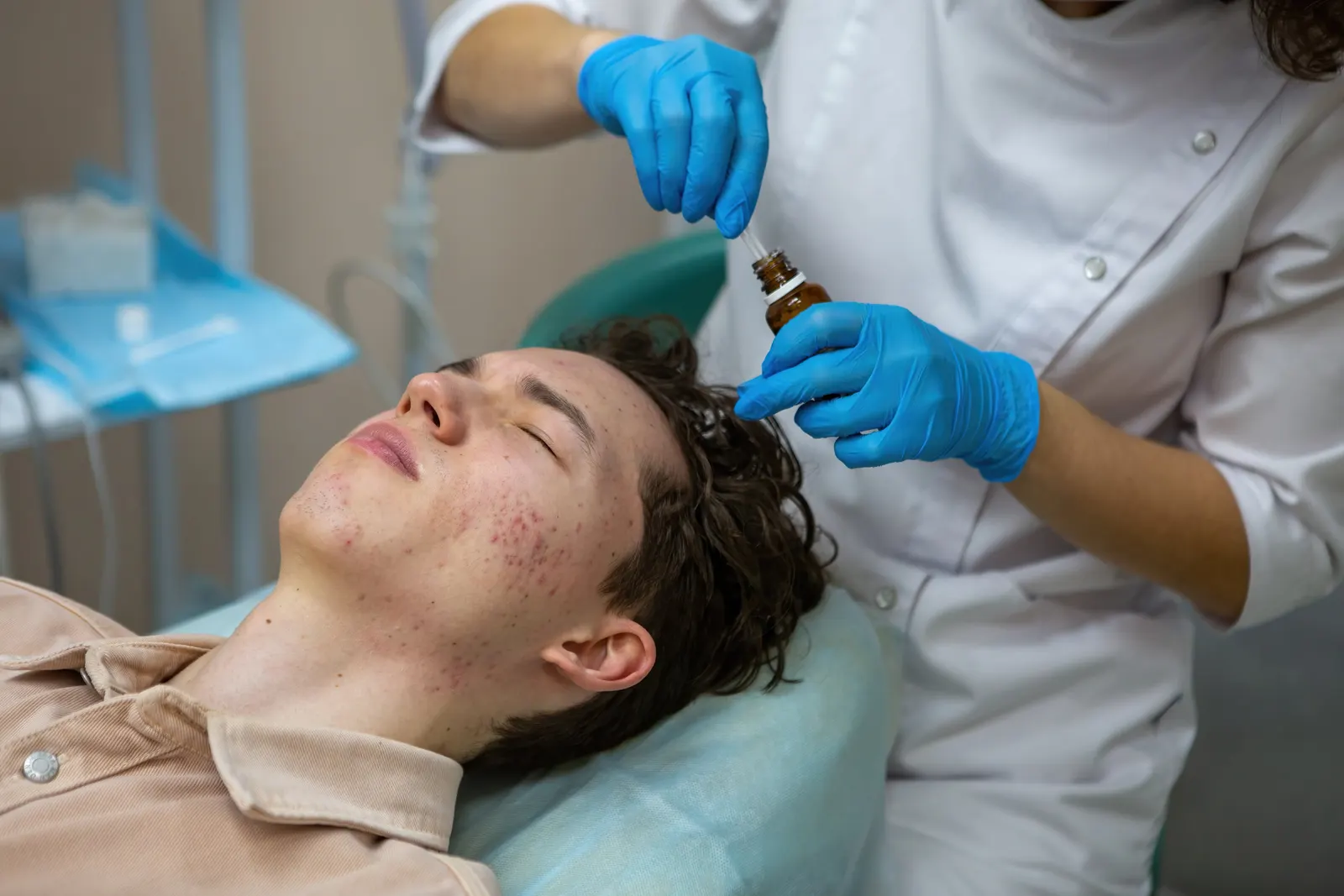
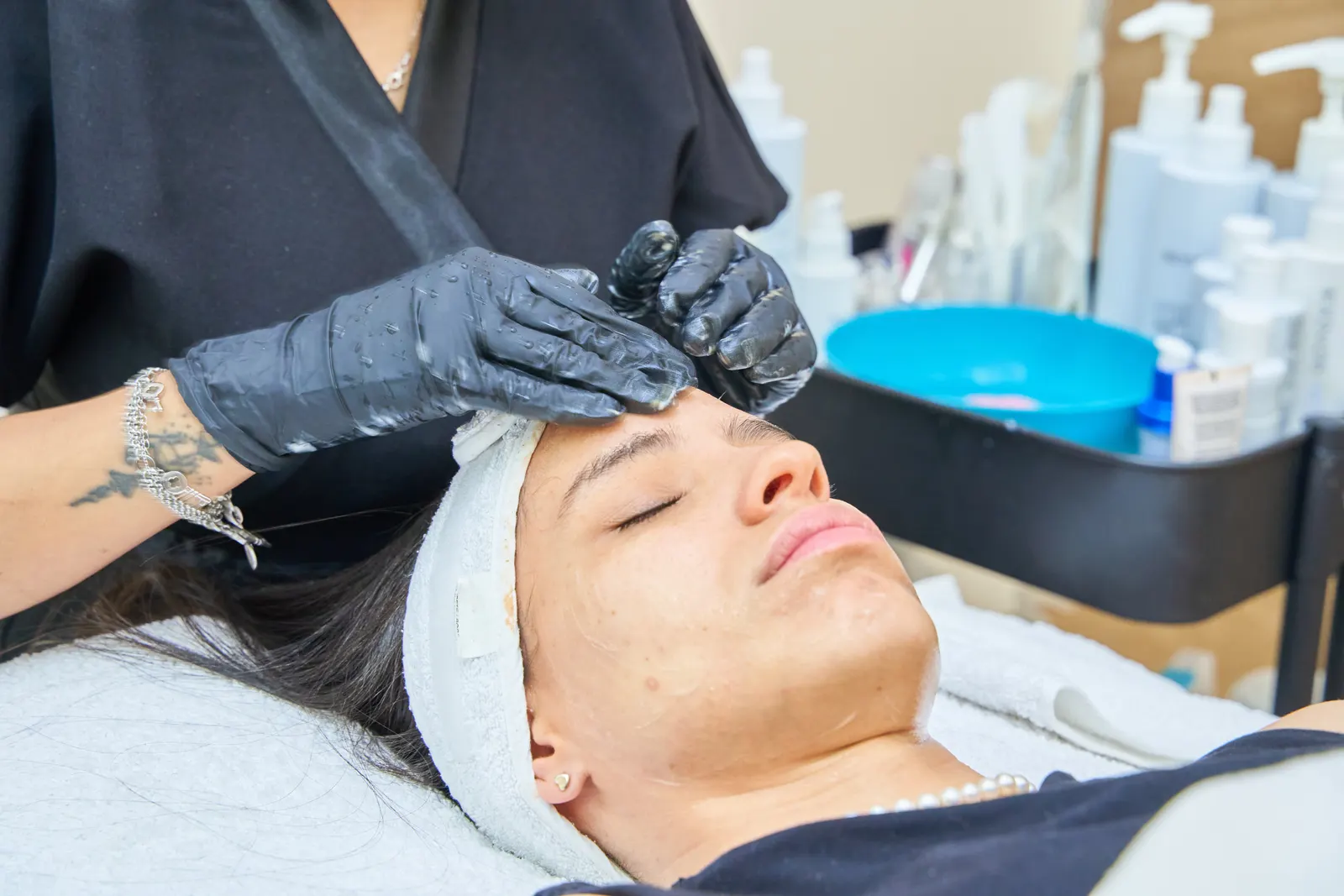
Once you’ve completed your preparation, you’ll move on to the actual chemical peel procedure. The process can vary slightly based on the type of peel, but there are common steps and sensations to expect.
Cleansing : The skin is cleansed to remove oil, makeup, or debris that may interfere with peel penetration.
Protecting Sensitive Areas : Delicate regions like the eyes, lips, and nostrils may be shielded with petroleum jelly.
Applying the Peel : The chemical solution is evenly applied using a brush, cotton ball, or applicator. The solution may contain salicylic acid, glycolic acid, or TCA, depending on the chosen strength.
Mild Tingling or Burning : A common sensation as the solution begins to work on the skin’s surface.
Duration : Light peels may stay on for just a few minutes, while deeper peels can last longer before being neutralized or washed off.
Neutralization : After the prescribed time, the acid is neutralized using a special solution or water.
Throughout the procedure, a trained professional closely monitors your skin’s reaction, ensuring that the peel is working effectively without causing unnecessary discomfort.
Immediately after the peel, your skin might appear red and feel more sensitive than usual. Over the next several days (for light peels) or weeks (for deeper peels), the treated layer will peel or flake off. This process reveals new, healthier skin underneath. You’ll likely notice:
Fading of Dark Spots : PIH and minor discolorations become less pronounced.
Smoother Texture : Particularly beneficial for rolling scars or rough patches.
Brightness : An overall refreshed and glowing complexion.
Recovery and Aftercare
Aftercare is one of the most critical aspects of a chemical peel treatment, as it helps ensure that the newly revealed skin layers heal properly and remain protected from potential damage.
Use Gentle Cleansers : Choose products free of harsh sulfates or fragrances to avoid irritation.
Stay Hydrated : A suitable moisturizer can soothe dryness and flakiness.
Apply Sunscreen Religiously: UV exposure can trigger hyperpigmentation and compromise the peel’s benefits. Look for broad-spectrum SPF 30 or higher.
Avoid Picking or Scratching : Let the peeling or flaking skin shed naturally. Picking at the skin can lead to scarring or infection.
While chemical peels are considered safe when performed by trained professionals, side effects may include:
Redness and Irritation : Common and typically temporary.
Swelling or Crusting : More common with medium and deep peels.
Changes in Skin Color : People with darker skin tones must be cautious, as deeper peels can cause hypopigmentation or hyperpigmentation.
Infection : Rare but can occur, particularly if aftercare guidelines are not followed.
If you have sensitive skin, it’s especially important to discuss concerns with your dermatologist so they can tailor the peel or recommend milder alternatives.
Maximizing the benefits of a chemical peel involves more than a single session. Your dermatologist may suggest a series of peels, spaced out over several weeks or months, depending on the depth of your acne scars and your skin’s healing capacity. Following a consistent aftercare routine, along with using supportive topical treatments or collagen stimulation therapies, can significantly boost and sustain your results.
Frequency : Many people undergo light chemical peels every 3–4 weeks, while medium peels might be repeated every 4–6 months. Deep peels usually require a single application, given their intensity.
Skincare Maintenance : Incorporate mild AHAs or BHAs in your regular skincare routine to maintain a bright and even complexion.
Lifestyle : A balanced diet rich in vitamins A and C, along with adequate hydration, can support healthy skin regeneration.
While chemical peels are a popular method for treating acne scars, they are by no means the only option. It’s helpful to understand how peels stack up against other treatments.
Chemical Peels : Often more cost-effective and suitable for mild to moderate scars. They can be customized for different skin types and scarring severities.
Laser Treatment : Offers precise targeting of deeper layers of the skin. Ideal for persistent or severe scars but comes at a higher price point.
In some cases, dermatologists may recommend combination therapy—using both laser treatments and peels—for optimal results.
Chemical Peels : Use chemical solutions to exfoliate and renew skin layers. They can effectively treat PIH, fine lines, and mild to moderate acne scars.
Microdermabrasion : A mechanical exfoliation technique that removes the topmost skin layer. Better suited for superficial scars and a quick refresh but might be less effective for deeper acne marks.
People with oily skin or large pores often find chemical peels particularly beneficial, as salicylic acid can penetrate deeper into oil-filled pores compared to microdermabrasion.
For more stubborn scars, a single modality may not suffice. Dermatologists sometimes combine chemical peels with:
Microneedling or Collagen Induction Therapy : Stimulates the skin’s natural repair processes, further enhancing collagen production.
Injectable Fillers : May temporarily fill in deep or rolling scars.
Laser Resurfacing : Can target specific areas for a more focused treatment.
A tailored, multi-pronged approach often yields the most dramatic and long-lasting improvements.
Choosing the right chemical peel for acne scars is largely dependent on your circumstances. Factors such as skin tone, type of scars, and budget can all influence which peel is best suited for you.
Mild Acne Scars : A light peel with glycolic acid or lactic acid is often sufficient.
Moderate Scars or Hyperpigmentation : A TCA peel can help address rolling scars and PIH.
Deep, Persistent Scarring : A deep chemical peel, often with phenol or high-concentration TCA, provides the most dramatic resurfacing.
Always consult with a qualified professional to ensure the chosen peel aligns with your skin type and desired outcome.
Below is a quick reference table of common ingredients used in chemical peels for acne scars:
|
Ingredient |
Depth |
Ideal For |
Notes |
|
Glycolic Acid (AHA) |
Light |
Mild scars, dull skin, fine lines |
Derived from sugarcane. Smaller molecules provide deeper penetration |
|
Lactic Acid (AHA) |
Light |
Sensitive skin, mild discoloration |
Gentler than glycolic, and also hydrates the skin |
|
Salicylic Acid (BHA) |
Light |
Oily, acne-prone skin |
Helps unclog pores, reduces breakouts |
|
TCA |
Medium |
Moderate scars, PIH |
Penetrates middle layers, may require multiple sessions |
|
Phenol |
Deep |
Severe scars, significant aging |
Can have dramatic results; requires extensive downtime |